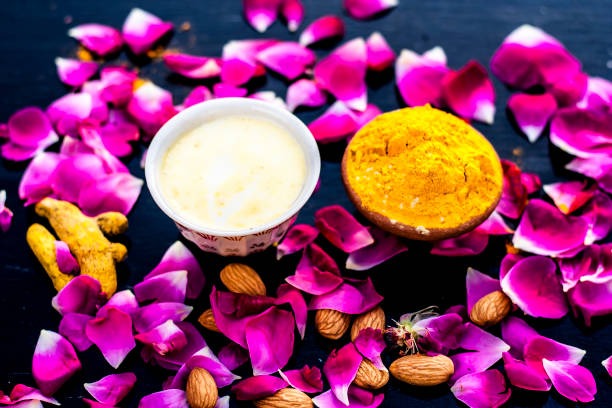
Ayurveda, the ancient Indian holistic healing system, emphasizes natural ingredients for maintaining skin health. Among its most revered components, ghee (clarified butter) and coconut oil are essential in traditional moisturizing remedies. These substances are more than simple emollients; they are deeply therapeutic, nourishing, and healing for various skin types.
Modern skincare brands inspired by Ayurveda often integrate these time-tested ingredients to create products that rival even the best face moisturizer on the market today. Their hydrating, anti-inflammatory, and rejuvenating properties make them a cornerstone in maintaining youthful and radiant skin.
In Ayurvedic tradition, these natural emollients are also associated with restoring dosha balance, particularly Pitta dosha, which is prone to heat and inflammation. When combined with herbs or essential oils, ghee and coconut oil create a cooling cream for face applications, calming irritation and promoting long-lasting hydration. By penetrating deeply into skin layers, they deliver vital nutrients and aid in improving elasticity while enhancing the skin’s natural glow.
Why Ghee is Revered in Ayurvedic Skincare
Ghee has been cherished in Ayurveda for thousands of years as a cooking fat and a therapeutic agent for external use. Rich in essential fatty acids, vitamins A, D, E, and K, ghee provides intense moisturization that helps repair the skin barrier. Its emollient properties are particularly beneficial for dry, flaky skin, protecting against environmental stressors such as wind, pollution, and sun exposure.
Additionally, ghee possesses anti-inflammatory compounds like butyrate, which can soothe irritated or sensitive skin. In Ayurvedic practice, ghee is considered sattvic, meaning it promotes purity and balance, making it ideal for facial massages and daily skincare routines. Its ability to penetrate deeply into tissues is unmatched, ensuring hydration reaches the skin’s inner layers without clogging pores.
The Timeless Benefits of Coconut Oil
Coconut oil has become a universal remedy in Ayurvedic texts such as the Sushruta Samhita. Packed with medium-chain fatty acids like lauric acid, coconut oil is naturally antimicrobial, making it excellent for preventing acne-causing bacteria while nourishing the skin. It’s also rich in antioxidants that combat free radicals, slowing down visible signs of aging like wrinkles and fine lines.
Coconut oil naturally cools, making it perfect for Pitta-dominant individuals prone to redness and irritation. Its light, pleasant aroma and non-irritating qualities have made it a favorite base oil for Ayurvedic massage therapies (Abhyanga). Used consistently, coconut oil can restore suppleness, enhance radiance, and improve overall skin tone, making it an irreplaceable ingredient in traditional and modern Ayurvedic moisturizers.
The Synergy of Ghee and Coconut Oil
While ghee and coconut oil are powerful individually, combining them creates a synergistic effect. Ayurvedic practitioners often blend equal parts of these two ingredients to form a balanced moisturizer that offers the best of both worlds. The ghee provides deep nourishment, while coconut oil adds cooling and antimicrobial benefits. They hydrate and soothe the skin without causing breakouts or excessive greasiness.
Ghee and coconut oil can be massaged onto the face before bedtime as an overnight treatment for people with dry or aging skin. This combination repairs damaged skin cells and enhances natural collagen production. The result is a soft, glowing complexion that feels rejuvenated and protected.