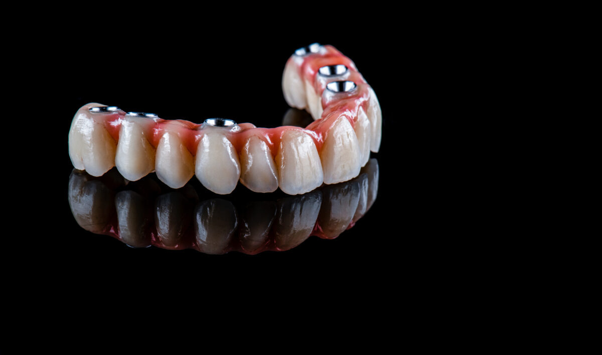
Full mouth dental implants are an advanced tooth replacement solution designed for individuals who have lost most or all of their teeth. Unlike traditional dentures, this treatment uses strategically placed implants to support a complete set of prosthetic teeth, providing improved stability, function, and aesthetics. For many patients, full mouth implants offer a long-term solution that closely mimics the look and feel of natural teeth.
People considering dental implants in Lake Mary often seek a more permanent alternative to removable dentures. Full mouth implant restorations can help restore confidence, improve chewing ability, and enhance overall quality of life.
A qualified dentist in Lake Mary can evaluate your oral health, bone structure, and treatment goals to determine whether full mouth dental implants are the right option for restoring your smile completely.
What Are Full Mouth Dental Implants?
Full mouth dental implants involve replacing an entire upper arch, lower arch, or both arches of missing teeth using dental implants as anchors. Rather than replacing every missing tooth with a separate implant, a limited number of implants are strategically positioned to support a full arch restoration.
This approach offers a secure and durable foundation for prosthetic teeth while reducing treatment complexity. Patients can enjoy improved function and a more natural appearance compared to traditional removable dentures.
The treatment is suitable for many individuals who have experienced extensive tooth loss due to decay, gum disease, injury, or aging.
Benefits of Full Mouth Dental Implants
Full mouth implants provide several advantages that make them a popular restorative option.
Key benefits include:
- Improved chewing and speaking ability
- Enhanced facial appearance and support
- Increased comfort and stability
- Long-lasting results
- Reduced risk of bone loss
- Natural-looking aesthetics
- Greater confidence in daily interactions
Unlike removable dentures, implant-supported restorations remain securely in place, allowing patients to eat, speak, and smile without worrying about shifting or slipping.
Who Is a Good Candidate?
Many adults with significant tooth loss may qualify for full mouth dental implants. However, a comprehensive evaluation is necessary to determine eligibility.
Ideal candidates generally have:
- Multiple missing teeth or complete tooth loss
- Healthy gums or manageable periodontal conditions
- Adequate jawbone density
- Good overall health
- Commitment to maintaining oral hygiene
Even patients who have experienced bone loss may still qualify for treatment through additional procedures such as bone grafting. Every case is unique, making a personalized assessment essential.
The Treatment Process
The journey toward a fully restored smile involves several carefully planned stages. The exact timeline varies depending on individual needs and treatment complexity.
The process typically includes:
- Initial consultation and examination
- Digital imaging and treatment planning
- Tooth extractions if necessary
- Implant placement surgery
- Healing and osseointegration
- Placement of the final prosthetic restoration
Osseointegration is the process through which the implants fuse with the jawbone, creating a strong and stable foundation for the replacement teeth.
How Full Mouth Implants Compare to Dentures
Traditional dentures have helped many patients restore basic function and appearance, but they may come with certain limitations. Full mouth implants offer a more secure alternative.
Some differences include:
- Implants remain fixed and stable
- Improved biting and chewing strength
- Greater comfort during daily activities
- Reduced need for adhesives
- Better preservation of jawbone structure
- More natural appearance and feel
While dentures may still be appropriate in some situations, implant-supported restorations often provide superior long-term benefits for eligible patients.
Bone Preservation and Oral Health Benefits
One of the most significant advantages of dental implants is their ability to stimulate the jawbone. When natural teeth are lost, the underlying bone no longer receives stimulation and may begin to deteriorate over time.
Implants help preserve bone by functioning similarly to natural tooth roots. This stimulation supports jawbone health and helps maintain facial structure.
Preserving bone can reduce the sunken facial appearance often associated with long-term tooth loss and contribute to a more youthful look.
Recovery and Healing Expectations
Recovery following implant placement varies from patient to patient. Most individuals experience mild swelling, tenderness, and temporary discomfort during the initial healing period.
Following post-operative instructions carefully can support successful healing. Patients are often advised to:
- Follow dietary recommendations
- Maintain excellent oral hygiene
- Attend follow-up appointments
- Avoid tobacco products
- Allow adequate healing time
As healing progresses, patients can gradually return to normal activities while preparing for the placement of their final restoration.
Caring for Full Mouth Dental Implants
Although implants cannot develop cavities, proper maintenance remains essential for long-term success. Healthy gums and surrounding tissues play a critical role in supporting implant stability.
Daily care should include:
- Brushing thoroughly twice a day
- Cleaning around the restoration as instructed
- Flossing or using recommended cleaning aids
- Attending regular dental checkups
- Monitoring gum health
Consistent oral hygiene helps protect both the implants and the supporting tissues for years to come.
Long-Term Results and Quality of Life
Many patients report significant improvements in confidence, comfort, and overall well-being after receiving full mouth dental implants. Being able to eat favorite foods, speak clearly, and smile naturally can positively impact numerous aspects of daily life.
With proper care and routine professional maintenance, implant-supported restorations can provide long-lasting results and serve as a reliable solution for extensive tooth loss.
Conclusion
Full mouth dental implants offer a comprehensive and highly effective solution for individuals seeking to restore their smile completely. By replacing missing teeth with stable, natural-looking restorations, this treatment improves function, aesthetics, and oral health.
For patients dealing with extensive tooth loss, full mouth implants can provide renewed confidence and a long-term foundation for a healthier, more comfortable smile.