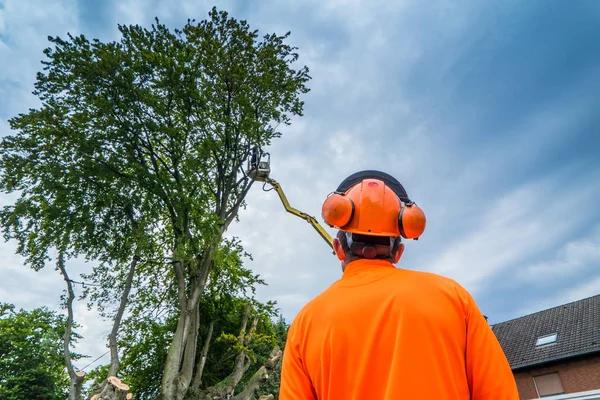
In the aftermath of a storm, assessing the damage to your property can be overwhelming. Among the most vulnerable elements in such scenarios are trees, which can suffer significant damage from high winds, heavy rains, and lightning strikes. Knowing when to call emergency tree services for storm-damaged trees is crucial to ensuring safety and preventing further property damage.
Immediately after a storm passes, it is essential to evaluate the condition of your trees. Look for visible signs of distress or instability such as large broken branches hanging precariously, uprooted trees leaning dangerously close to structures or power lines, and split trunks that may indicate internal weaknesses. These situations pose immediate threats not only to your property but also to personal safety. If you notice any of these critical signs, contacting an emergency tree services service should be your first step.
Another factor warranting immediate attention is if a damaged tree obstructs access routes or roadways. Trees blocking driveways or streets hinder emergency vehicles’ ability to reach affected areas quickly and efficiently during crises. In such cases, professional intervention ensures swift removal while minimizing risk.
Additionally, consider calling professionals if you suspect hidden damages that might not be immediately apparent but could worsen over time. For instance, root systems weakened by saturated soil may cause trees to topple unexpectedly days after a storm has passed—posing latent hazards even when initially appearing stable post-storm assessment.
Moreover, engaging with experienced arborists provides peace of mind regarding potential liability issues stemming from fallen limbs causing injury or destruction on neighboring properties—a concern often overlooked amidst chaotic recovery efforts following severe weather events.