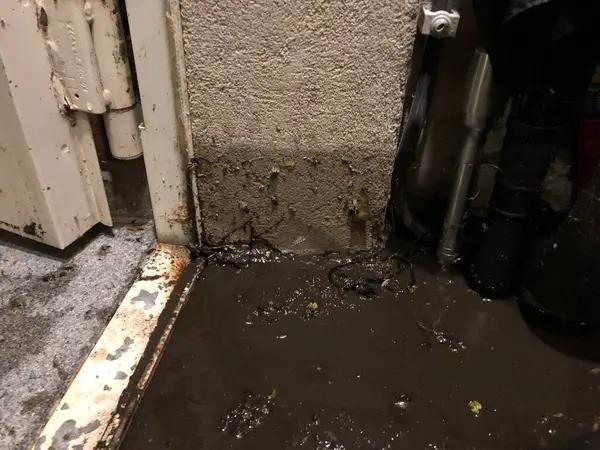
In the face of unexpected natural disasters, floods rank among the most devastating. They can occur with little warning, leaving a trail of destruction in their wake. The aftermath is often overwhelming, with homes and businesses submerged under water, possessions ruined, and lives disrupted. In such dire circumstances, emergency flood damage cleanup becomes an urgent necessity.
The immediacy of response to flood damage cannot be overstated. Water is a formidable force that can compromise structural integrity and create hazardous environments if not addressed promptly. Within 24 to 48 hours after flooding occurs, mold can begin to develop in damp areas, posing significant health risks alongside the existing physical damage. This makes it crucial for property owners to act swiftly and engage professional services that specialize in emergency flood damage cleanup.
Professional cleanup teams are equipped with the expertise and tools required to handle such crises efficiently. Their first step typically involves assessing the extent of the damage through thorough inspections. This helps them devise an effective plan tailored specifically to each situation’s unique needs. Advanced equipment like industrial-grade dehumidifiers and high-speed air movers are deployed to extract standing water quickly and dry out affected areas.
Moreover, these professionals employ advanced moisture detection devices that see our site identify hidden pockets of moisture within walls or under flooring—areas that might otherwise be overlooked but which harbor potential for further deterioration or mold growth if left untreated. By ensuring comprehensive drying processes are implemented from the outset, they mitigate long-term issues which could lead to more costly repairs down the line.
Another critical aspect of emergency flood damage cleanup is sanitation and disinfection. Floodwaters often carry contaminants such as bacteria or chemicals from sewage overflow or agricultural runoff into buildings they inundate; thus cleaning goes beyond mere water removal—it requires meticulous sanitization efforts too ensure safety for occupants returning post-cleanup.