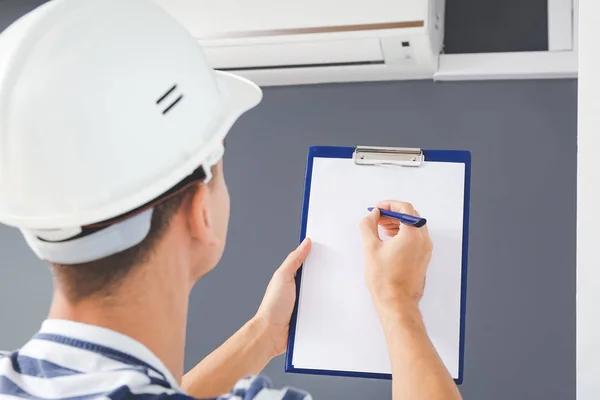
Installing a furnace and an invest system requires careful planning, precise execution, and attention to detail to ensure long-term efficiency and safety. The process begins with selecting the appropriate equipment that matches the heating needs of the space. Proper sizing is crucial; an undersized furnace may struggle to heat adequately, while an oversized unit can lead to frequent cycling, wasting energy and reducing lifespan. Consulting with a qualified HVAC professional helps determine the right capacity based on factors such as square footage, insulation quality, and climate conditions.
Once the correct furnace is chosen, preparing the installation site is essential. This involves ensuring that there is enough clearance around the unit for maintenance and airflow. Adequate ventilation must be confirmed or installed because furnaces require fresh air for combustion. Additionally, inspecting existing ductwork or planning new ducts ensures efficient distribution of heated air throughout the building. Sealing any leaks in ducts prevents heat loss and improves overall performance.
The electrical connections should be handled carefully by a licensed electrician if necessary since furnaces often require dedicated circuits for safe operation. Installing proper wiring reduces risks associated with electrical faults or fire hazards. Similarly, gas lines supplying fuel to gas-powered furnaces need inspection by certified learn more here professionals who verify that connections are secure and comply with local codes.
For invest systems-devices designed to optimize energy use during heating-installation aligns closely with integrating controls into existing infrastructure. These systems often include sensors or smart thermostats that communicate with the furnace controller to regulate temperature efficiently according to occupancy patterns or external weather changes. Ensuring compatibility between devices avoids malfunctions or inaccurate readings.
During installation, following manufacturer guidelines guarantees warranty validity and operational safety standards are met. Testing each component after setup confirms everything functions correctly before finalizing work on site. This includes running trial cycles of both furnace heating elements and invest controls under various settings.
Proper disposal of old equipment minimizes environmental impact while cleaning up debris maintains a safe working environment post-installation.
In summary, successful furnace and invest installation depends on accurate assessment of needs, meticulous preparation of space including ventilation and ductwork considerations, professional handling of electrical and gas connections where applicable, integration of control systems tailored for optimized energy use, adherence to manufacturer instructions throughout installation phases, thorough testing prior to completion as well as responsible cleanup afterward-all contributing towards reliable performance coupled with enhanced comfort inside heated environments year-round.