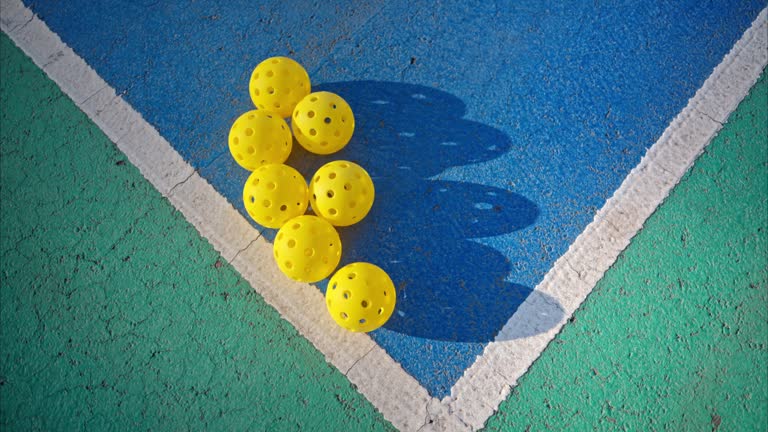
Pickleball balls sitting on ground in a court. Outdoor, sunny day
Competitive pickleball is rapidly transforming the local sports landscape, attracting diverse participants and reshaping community engagement in athletic activities. Originally viewed as a casual pastime, pickleball has evolved into a highly competitive sport that appeals to players of all ages and skill levels. This shift has brought new energy to local sports scenes, encouraging facilities to adapt and expand their offerings while fostering a vibrant culture around the game.
One of the most significant ways competitive pickleball is changing local sports is by increasing participation rates. Many communities have seen an influx of players who previously engaged in traditional sports such as tennis or badminton but are now drawn to pickleball’s unique combination of accessibility and challenge. The smaller court size and slower ball speed make it easier for beginners to pick up quickly, yet the fast-paced rallies and strategic gameplay keep experienced athletes engaged. As a result, clubs and recreation centers are investing in dedicated courts or converting existing spaces to accommodate growing demand.
The rise of organized tournaments at regional levels further underscores pickleball’s impact on local sports ecosystems. These events not only provide opportunities for serious competitors but also help build social connections among players, spectators, and sponsors alike. Tournaments https://texasopenpickleball.com often attract crowds that boost local economies through increased patronage of restaurants, hotels, and retail shops. Moreover, prize money and sponsorship deals signal greater recognition for pickleball athletes compared to its earlier days as a leisurely activity.
In addition to economic benefits, competitive pickleball fosters inclusivity within communities by bridging generational gaps. Unlike many high-impact sports that favor younger participants, pickleball offers an environment where seniors can compete alongside younger adults without excessive physical strain. This inclusiveness strengthens community bonds as families participate together or watch matches supporting friends across age groups.
Local governments have taken note of this trend by incorporating pickleball into public parks planning efforts and recreational programming budgets. Investments in infrastructure improvements demonstrate acknowledgment of the sport’s growing popularity while promoting healthy lifestyles through accessible exercise options.
Coaches and trainers specializing in pickleball are emerging throughout regions experiencing growth in player numbers. Their expertise contributes significantly toward raising skill levels locally while encouraging safe play practices that minimize injury risks associated with repetitive motions common in racket sports.
Overall, competitive pickleball is redefining how communities engage with sport by blending fun with serious competition across demographics previously underserved by traditional athletics programs. Its rapid expansion challenges existing norms around facility usage, event organization, economic impact assessments, and health promotion strategies tied to physical activity participation at the grassroots level.
As this momentum continues building nationwide-often starting from small town initiatives-localities embracing competitive pickleball stand poised not only to enhance their sporting reputations but also foster stronger social cohesion through shared enthusiasm for one of today’s fastest-growing games.
About the Author