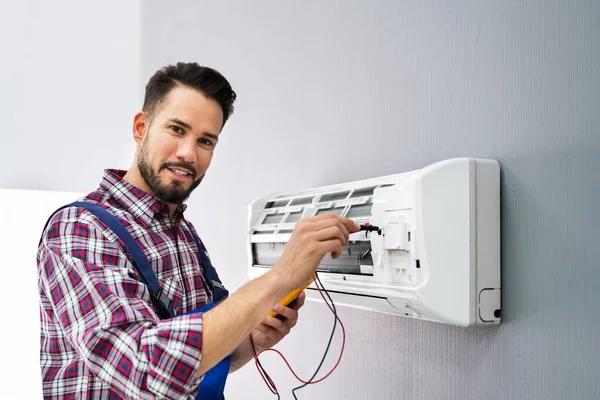
When planning for a new HVAC installation, it is crucial to be well-prepared and informed. This significant investment impacts your home’s comfort, energy efficiency, and overall air quality. Asking the right questions before the installation begins can help ensure that the process goes smoothly and that you get the most out of your new system.
First, inquire about the appropriate size of the HVAC unit for your home. An improperly sized system can lead to inefficient operation, higher energy bills, and reduced comfort levels. A qualified technician should perform a detailed load calculation considering factors such as square footage, insulation levels, window types, and local climate conditions. Understanding how they determine the correct size will give you confidence Complete HVAC installation solutions in Renton their recommendations.
Next, ask about energy efficiency ratings. Modern HVAC systems come with various efficiency ratings such as SEER (Seasonal Energy Efficiency Ratio) for air conditioners or AFUE (Annual Fuel Utilization Efficiency) for furnaces. Higher ratings generally mean better energy efficiency but may come at a higher upfront cost. Discussing these options with your contractor will help you balance initial costs against long-term savings on utility bills.
It’s also essential to understand what kind of maintenance will be required post-installation. Regular maintenance ensures optimal performance and longevity of your system. Ask about recommended service schedules and what tasks are included in routine maintenance checks—cleaning filters, inspecting ductwork or checking refrigerant levels might all be part of this discussion.
Another important question revolves around warranties offered by both manufacturers and installers. A comprehensive warranty can provide peace of mind by covering potential repairs or replacements within a specified period after installation—typically ranging from five to ten years depending on components involved like compressors or heat exchangers—and labor guarantees from contractors themselves which often last one year minimum up-to two years maximum depending upon company policy so make sure clarify details beforehand!
Furthermore consider asking if there any rebates incentives available locally statewise nationally through programs designed promote efficient systems usage; many utilities offer rebates reduce initial purchase prices while governments sometimes provide tax credits encourage eco-friendly upgrades thus lowering overall project costs significantly when utilized properly – do not miss opportunity save money here!
Finally discuss timeline expectations completion date possible delays due unforeseen circumstances weather-related issues supply chain disruptions etc.; having realistic timeframe helps avoid frustration later down line especially during peak seasons where demand high scheduling tightness occurs frequently causing unwanted stress homeowners alike therefore communication key aspect successful installations always remember open dialogue necessary achieve satisfaction results desired outcome everyone involved!