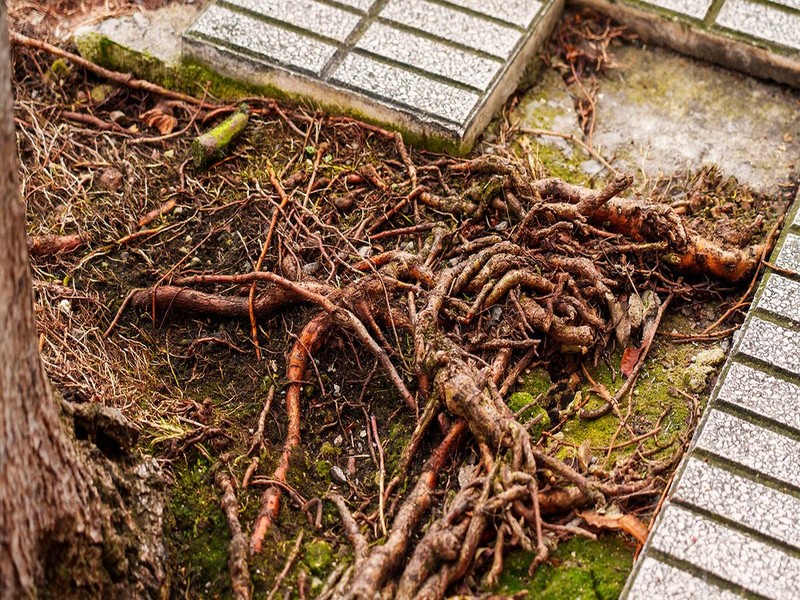
Roots from trees and large shrubs can pose a serious threat to building foundations when they grow too close or beneath structures. Over time, these root systems may exert pressure on foundation walls, cause cracks, or lead to uneven settling, compromising the stability and safety of the property. Addressing this issue requires professional expertise because improper handling can worsen damage or harm valuable landscaping. Experts in foundation repair and arboriculture collaborate to provide effective solutions that protect both the structure and surrounding vegetation.
The first step professionals take is conducting a thorough inspection of the affected area. This includes assessing the extent of foundation damage, identifying which roots are responsible, and understanding soil conditions around the property. Using specialized equipment such as ground-penetrating radar or cameras inserted into wall cracks allows for precise evaluation without invasive digging. Once experts determine how roots interact with foundations, they develop tailored strategies that balance plant health with structural integrity.
One common approach involves carefully pruning or removing problematic roots under controlled conditions. Certified arborists perform root pruning using techniques designed to minimize stress on trees while preventing regrowth near vulnerable parts of the foundation. In some cases where extensive root systems threaten critical support areas, selective tree trimming service removal may be necessary after exploring alternatives like root barriers or reinforcement measures.
Root barriers are physical installations placed underground between trees and foundations to redirect root growth away from sensitive zones. These barriers typically consist of durable materials such as high-density polyethylene sheets buried vertically along property lines or around structures at specific depths determined by experts. Installing them requires precision to avoid damaging existing roots unnecessarily while ensuring long-term effectiveness against future intrusion.
In addition to managing vegetation directly, addressing foundation issues themselves is crucial for lasting resolution. Structural repairs might include underpinning weakened sections with concrete piers or steel beams that stabilize shifting soils caused by moisture changes related to nearby roots absorbing water unevenly. Crack injections using epoxy resins help seal fractures created by pressure from expanding roots while restoring load-bearing capacity.
Preventive maintenance also plays an important role in avoiding recurrence once repairs are complete. Professionals recommend regular monitoring of tree health and soil moisture levels combined with routine inspections of foundation condition over time. Homeowners benefit from expert advice on selecting appropriate tree species for planting near buildings-those less likely to develop aggressive root systems-and maintaining proper irrigation practices that reduce excessive water absorption promoting harmful root expansion toward foundations.
By combining knowledge of horticulture with advanced construction techniques, professional teams effectively mitigate risks posed by invasive root systems damaging building foundations. Their integrated methods ensure safe environments where architectural stability coexists harmoniously with healthy landscaping elements surrounding properties for years ahead without compromise or ongoing threat from nature’s underground growth patterns.
About the Author