
Experiencing a flood can be overwhelming, leaving homes and communities damaged and residents feeling vulnerable. Restoring comfort and safety after such incidents requires a systematic approach that addresses immediate concerns while laying the foundation for long-term recovery. The first step involves ensuring that all individuals are safe and accounted for. Evacuate if necessary and avoid returning to flooded areas until authorities confirm it is safe. Once access is permitted, assess the damage carefully, prioritizing structural integrity before entering any building.
After confirming safety, focus on removing water from affected spaces as quickly as possible to prevent further deterioration. Use pumps or wet vacuums to extract standing water, followed by thorough drying with fans and dehumidifiers to inhibit mold growth. Mold can develop rapidly in damp environments, posing serious health risks; therefore, cleaning surfaces with appropriate disinfectants is essential. Discard porous materials like carpets or drywall if they have been saturated beyond repair.
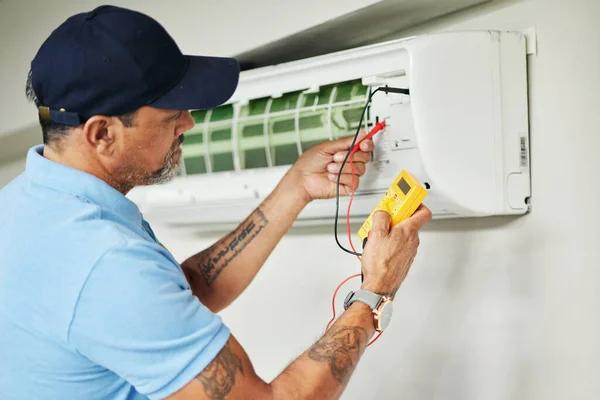
Electrical systems should be inspected by qualified professionals before restoring power to avoid hazards such as shocks or fires. Similarly, plumbing should be checked for leaks or contamination due to floodwaters carrying bacteria or chemicals into pipes and fixtures. It is also important to evaluate heating, ventilation, and air conditioning units since these systems may harbor mold spores or suffer mechanical damage during flooding.
Personal belongings require careful consideration; some items may be salvageable through professional cleaning services specializing in flood restoration while others might need replacement due to contamination or irreparable damage. Prioritize documents containing vital information by drying them flat in a well-ventilated area; scanning digital copies afterward helps preserve important records.
Throughout the cleanup process, wearing protective gear like gloves, masks, and waterproof boots reduces exposure to harmful substances found in floodwaters including sewage and debris. Proper disposal of waste materials must follow local regulations designed for hazardous waste management.
Emotional recovery plays an equally critical role following flooding events because trauma can linger long after physical repairs are completed. Seeking support from community resources or mental health professionals aids resilience during this difficult time.
Ultimately, restoring comfort and safety after floods demands patience combined with methodical action focused on health precautions alongside property rehabilitation efforts. Taking these steps ensures a safer environment conducive to rebuilding lives disrupted by natural disasters while minimizing future risks associated with water damage occurrences.
About the Author