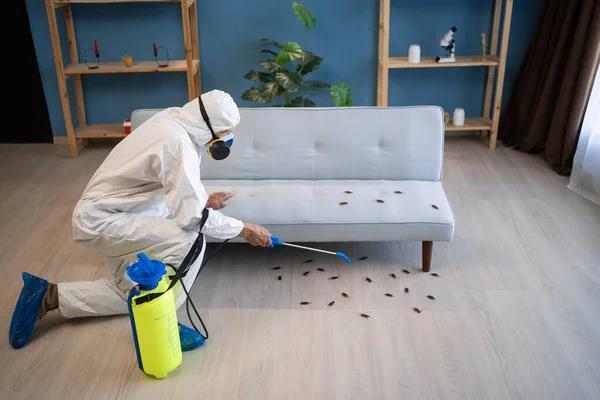
Tag: Pest control

  • Reliable Lawn Pest Control Solutions for Healthier Grass

    Reliable Lawn Pest Control Solutions for Healthier Grass

    Maintaining a lush, green lawn is a source of pride for many homeowners. However, achieving and maintaining that perfect expanse of grass can be challenging due to the presence of pests. These unwelcome intruders can wreak havoc on your lawn, turning it from vibrant to lackluster in no time. Reliable lawn pest control solutions are essential for ensuring healthier grass and preserving the beauty of your outdoor space.

    The first step in effective lawn pest control is identifying the specific pests causing damage. Common culprits include grubs, chinch bugs, armyworms, and sod webworms. Each pest has distinct characteristics and behaviors; thus, understanding which one you are dealing with is crucial for implementing an appropriate solution. Regular inspection of your lawn pest control helps in early detection and prevents minor issues from escalating into significant problems.

    Once you’ve identified the pests affecting your lawn, choosing the right treatment method is key to controlling them effectively while minimizing harm to beneficial organisms and the environment. Integrated Pest Management (IPM) strategies provide a balanced approach by combining cultural practices, biological controls, mechanical methods, and chemical treatments when necessary.

    Cultural practices involve maintaining proper mowing height, watering correctly, fertilizing appropriately, and overseeding thin areas to promote dense turf that resists pest infestations naturally. A healthy lawn is less susceptible to severe damage because robust grass can better withstand feeding by pests.

    Biological controls use natural predators or pathogens to manage pest populations without harming non-target species or leaving chemical residues behind. For instance, introducing beneficial nematodes into soil can help combat grub infestations effectively without adverse environmental impacts.

    Mechanical methods include physical removal or barriers that prevent pests from reaching their target areas within your yard. Techniques like dethatching remove excess organic material where certain insects thrive while aerating improves water infiltration reducing favorable conditions for some larvae types.

    TurfMark Outdoor Solutions
    311 Garnett St Suite B, Buford, GA 30518
    678-829-8873
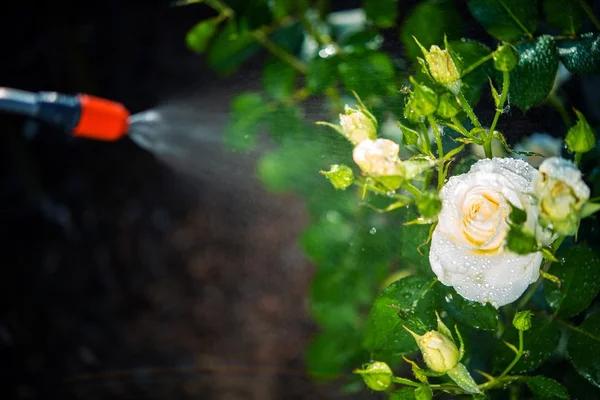
  • The Truth About Hidden Moisture and Pest Problems in Homes

    The Truth About Hidden Moisture and Pest Problems in Homes

    Hidden moisture in homes is a silent adversary that can lead to significant structural and health issues if not properly addressed. Often concealed behind walls, under floors, or in attics, this moisture creates an ideal environment for pests and mold growth. Homeowners are frequently unaware of the underlying problems until they manifest visibly or cause noticeable damage.

    One of the primary causes of hidden moisture is poor ventilation. Inadequate airflow in areas like bathrooms, kitchens, and basements results in condensation build-up. This trapped moisture seeps into building materials such as wood and drywall, creating conditions ripe for mold proliferation. Mold not only compromises structural integrity but also poses serious health risks including respiratory issues and allergic reactions.

    Leaky pipes are another common source of hidden moisture. Even minor leaks can accumulate over time, saturating surrounding materials and leading to rot or decay unseen by the naked eye. These damp environments become breeding grounds for various pests including termites, cockroaches, and rodents. Termites particularly thrive on moist wood; their presence often goes unnoticed until significant damage has been done.

    Homes situated in areas prone to heavy rainfall or flooding face additional challenges with hidden moisture. Water intrusion through foundational cracks or poorly sealed windows exacerbates internal humidity levels. If left unchecked, this persistent dampness invites pest control chicago infestations while simultaneously weakening the home’s structure.

    Identifying hidden moisture early requires vigilance and regular maintenance checks by homeowners. Installing dehumidifiers helps control indoor humidity levels while ensuring proper ventilation prevents condensation build-up. Regularly inspecting plumbing systems for leaks is crucial; even small drips should be repaired promptly to prevent larger issues down the line.

    Professional inspections play a vital role in uncovering these concealed problems before they escalate into costly repairs or health hazards. Moisture meters detect elevated levels within walls or floors without invasive procedures while thermal imaging cameras identify temperature variations indicative of water intrusion.

    Preventative measures against pest infestations start with addressing sources of excess moisture since dry environments deter most pests from settling indoors. Sealing entry points around doors and windows further reduces opportunities for unwanted guests seeking refuge inside homes during extreme weather conditions outside.