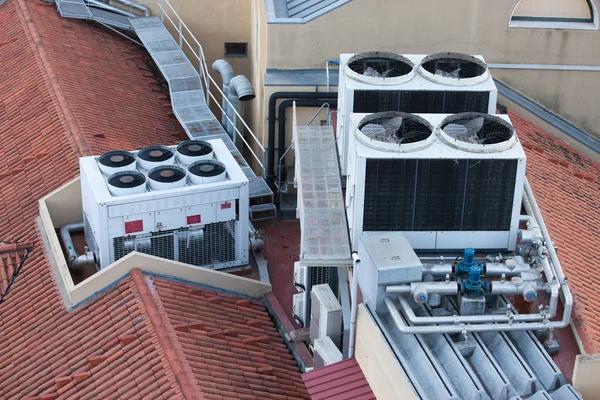
Commercial refrigeration plays a vital role in various industries, from food service to pharmaceuticals, where maintaining precise temperatures is essential. Experts emphasize that energy efficiency within these systems is not only beneficial for reducing operational costs but also crucial for environmental sustainability. Modern advancements have significantly improved the design and functionality of commercial refrigeration units, enabling businesses to optimize energy consumption without compromising performance.
One key insight from industry professionals is the importance of selecting the right equipment based on specific needs. Commercial refrigerators vary widely in size, cooling capacity, and technological features. Choosing an appropriately sized unit prevents excessive energy use caused by overworking an undersized system or inefficiency due to oversized equipment running at low capacity. Additionally, experts recommend investing in models equipped with advanced compressors and variable speed drives that adjust performance according to demand rather than operating at full power continuously.
Proper maintenance practices are another critical factor highlighted by specialists. Regular cleaning of condenser coils ensures efficient heat exchange and reduces strain on compressors, which can otherwise lead to higher electricity consumption and premature wear. Monitoring refrigerant levels is equally important since leaks diminish cooling effectiveness while increasing environmental impact through greenhouse gas emissions. Implementing routine inspections helps identify potential issues early before they escalate into costly repairs or complete system failures.
Technological integration has transformed how Commercial Refrigeration systems operate regarding energy management. Smart controls enable real-time monitoring of temperature fluctuations and compressor activity while allowing remote adjustments via mobile devices or central management platforms. These innovations offer detailed analytics that help facility managers make informed decisions about usage patterns, preventive maintenance schedules, and overall system optimization strategies.
Energy-efficient lighting inside refrigerated units also contributes to lowering power demands without affecting visibility or product presentation quality. LED lights generate less heat compared to traditional bulbs, reducing the workload on cooling components while enhancing illumination standards within display cases or storage areas.
Experts further advocate for implementing insulation improvements around refrigeration spaces to minimize thermal losses. Enhanced door gaskets and double-pane glass doors reduce cold air leakage during frequent openings typical in retail environments or busy kitchens.
In summary, combining appropriate equipment selection with diligent upkeep and leveraging technology-driven solutions creates substantial opportunities for improving energy efficiency in commercial refrigeration applications. These measures not only support cost savings but also align with broader efforts toward sustainability goals across various sectors reliant on reliable cold storage solutions.