Tag: Refrigeration Solutions

  • Choosing the Right Commercial Refrigeration System

    Choosing the Right Commercial Refrigeration System

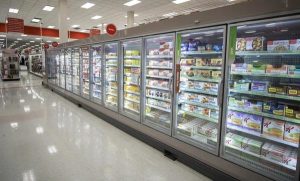
    Selecting the appropriate commercial refrigeration system is a critical decision for any business that handles perishable goods, as it directly impacts product quality, energy consumption, and operational efficiency. The process begins with understanding the specific needs of the establishment, including the type of products being stored, required temperature ranges, and available space. Different businesses have varying demands; for instance, a restaurant may need quick access to refrigerated ingredients in multiple small units, while a grocery store might require large walk-in coolers or freezers to accommodate bulk inventory.

    Energy efficiency is another essential factor when choosing a refrigeration system. Commercial refrigerators operate continuously, so selecting models with high energy ratings can significantly reduce utility costs over time. Modern systems often incorporate advanced technologies such as variable speed compressors and improved insulation that help minimize electricity usage without compromising performance. Although these options might involve higher initial investment costs, their long-term savings justify the expenditure by lowering operating expenses and reducing environmental impact.

    The size and capacity of the refrigeration unit must align closely with business requirements to avoid underperformance or unnecessary excess. Oversized systems consume more power than needed and increase maintenance complexity, while undersized units struggle to maintain consistent temperatures during peak usage periods. Accurate calculation of storage volume based on inventory turnover rates helps determine optimal dimensions for both reach-in refrigerators and larger walk-in units.

    Maintenance considerations should also influence selection decisions since well-maintained equipment ensures reliability and longevity. Choosing models from reputable manufacturers known for durability can reduce downtime caused by breakdowns or repairs. Additionally, ease of cleaning plays an important role in maintaining hygiene standards mandated by health regulations; features like removable shelves and accessible components facilitate routine upkeep.

    Installation constraints such as available floor space, ventilation requirements, electrical supply compatibility, and local building codes must be evaluated before finalizing any purchase. Consulting with experienced suppliers or refrigeration specialists provides valuable insights into matching system specifications with site conditions effectively.

    Lastly, integrating smart controls enhances monitoring capabilities by allowing real-time temperature tracking through digital interfaces or mobile apps. This feature enables prompt responses to potential issues like temperature fluctuations or door ajar alerts that could jeopardize stored products.

    In summary, choosing the right Commercial Refrigeration system involves careful assessment of product needs, energy efficiency goals, capacity requirements, maintenance factors, installation logistics, and technological features. Making informed decisions at each step ensures reliable preservation of goods while optimizing operational costs over time.
  • Expert Insights on Commercial Refrigeration and Energy Efficiency

    Expert Insights on Commercial Refrigeration and Energy Efficiency

    Commercial refrigeration plays a vital role in various industries, from food service to pharmaceuticals, where maintaining precise temperatures is essential. Experts emphasize that energy efficiency within these systems is not only beneficial for reducing operational costs but also crucial for environmental sustainability. Modern advancements have significantly improved the design and functionality of commercial refrigeration units, enabling businesses to optimize energy consumption without compromising performance.

    One key insight from industry professionals is the importance of selecting the right equipment based on specific needs. Commercial refrigerators vary widely in size, cooling capacity, and technological features. Choosing an appropriately sized unit prevents excessive energy use caused by overworking an undersized system or inefficiency due to oversized equipment running at low capacity. Additionally, experts recommend investing in models equipped with advanced compressors and variable speed drives that adjust performance according to demand rather than operating at full power continuously.

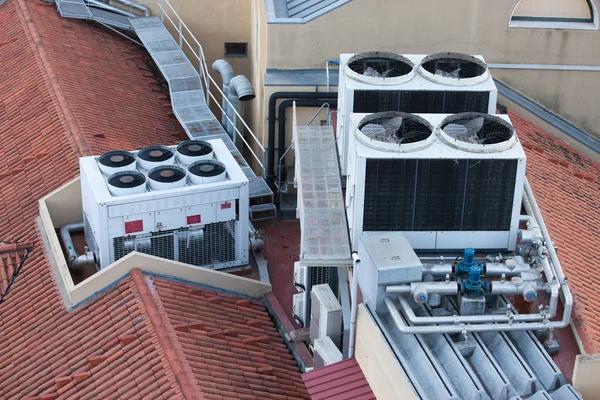
    Proper maintenance practices are another critical factor highlighted by specialists. Regular cleaning of condenser coils ensures efficient heat exchange and reduces strain on compressors, which can otherwise lead to higher electricity consumption and premature wear. Monitoring refrigerant levels is equally important since leaks diminish cooling effectiveness while increasing environmental impact through greenhouse gas emissions. Implementing routine inspections helps identify potential issues early before they escalate into costly repairs or complete system failures.

    Technological integration has transformed how Commercial Refrigeration systems operate regarding energy management. Smart controls enable real-time monitoring of temperature fluctuations and compressor activity while allowing remote adjustments via mobile devices or central management platforms. These innovations offer detailed analytics that help facility managers make informed decisions about usage patterns, preventive maintenance schedules, and overall system optimization strategies.

    Energy-efficient lighting inside refrigerated units also contributes to lowering power demands without affecting visibility or product presentation quality. LED lights generate less heat compared to traditional bulbs, reducing the workload on cooling components while enhancing illumination standards within display cases or storage areas.

    Experts further advocate for implementing insulation improvements around refrigeration spaces to minimize thermal losses. Enhanced door gaskets and double-pane glass doors reduce cold air leakage during frequent openings typical in retail environments or busy kitchens.

    In summary, combining appropriate equipment selection with diligent upkeep and leveraging technology-driven solutions creates substantial opportunities for improving energy efficiency in commercial refrigeration applications. These measures not only support cost savings but also align with broader efforts toward sustainability goals across various sectors reliant on reliable cold storage solutions.