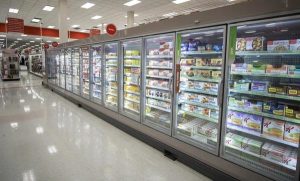
Selecting the appropriate commercial refrigeration system is a critical decision for any business that handles perishable goods, as it directly impacts product quality, energy consumption, and operational efficiency. The process begins with understanding the specific needs of the establishment, including the type of products being stored, required temperature ranges, and available space. Different businesses have varying demands; for instance, a restaurant may need quick access to refrigerated ingredients in multiple small units, while a grocery store might require large walk-in coolers or freezers to accommodate bulk inventory.
Energy efficiency is another essential factor when choosing a refrigeration system. Commercial refrigerators operate continuously, so selecting models with high energy ratings can significantly reduce utility costs over time. Modern systems often incorporate advanced technologies such as variable speed compressors and improved insulation that help minimize electricity usage without compromising performance. Although these options might involve higher initial investment costs, their long-term savings justify the expenditure by lowering operating expenses and reducing environmental impact.
The size and capacity of the refrigeration unit must align closely with business requirements to avoid underperformance or unnecessary excess. Oversized systems consume more power than needed and increase maintenance complexity, while undersized units struggle to maintain consistent temperatures during peak usage periods. Accurate calculation of storage volume based on inventory turnover rates helps determine optimal dimensions for both reach-in refrigerators and larger walk-in units.
Maintenance considerations should also influence selection decisions since well-maintained equipment ensures reliability and longevity. Choosing models from reputable manufacturers known for durability can reduce downtime caused by breakdowns or repairs. Additionally, ease of cleaning plays an important role in maintaining hygiene standards mandated by health regulations; features like removable shelves and accessible components facilitate routine upkeep.
Installation constraints such as available floor space, ventilation requirements, electrical supply compatibility, and local building codes must be evaluated before finalizing any purchase. Consulting with experienced suppliers or refrigeration specialists provides valuable insights into matching system specifications with site conditions effectively.
Lastly, integrating smart controls enhances monitoring capabilities by allowing real-time temperature tracking through digital interfaces or mobile apps. This feature enables prompt responses to potential issues like temperature fluctuations or door ajar alerts that could jeopardize stored products.
In summary, choosing the right Commercial Refrigeration system involves careful assessment of product needs, energy efficiency goals, capacity requirements, maintenance factors, installation logistics, and technological features. Making informed decisions at each step ensures reliable preservation of goods while optimizing operational costs over time.