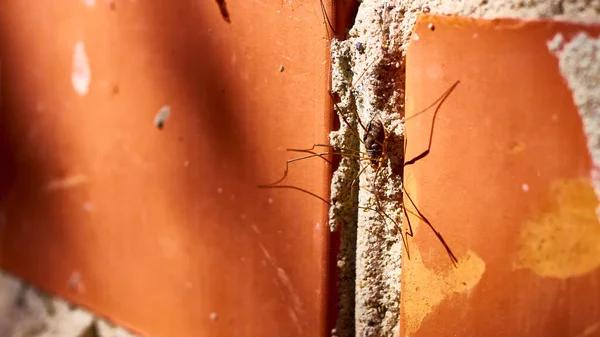
Maintaining a pest-resistant home throughout the year requires a combination of proactive strategies and consistent upkeep. Pests such as ants, rodents, cockroaches, and spiders can not only cause discomfort but also pose health risks to homeowners. Implementing smart strategies that address the root causes of infestations can help keep these unwanted guests at bay effectively.
One of the fundamental steps in pest prevention is ensuring that your home remains clean and clutter-free. Regularly cleaning kitchen counters, floors, and dining areas eliminates food crumbs and spills that attract pests. Storing food in airtight containers and promptly disposing of garbage in sealed bins further reduces attractants. Cluttered spaces, especially basements and attics, provide ideal hiding spots for pests, so keeping these areas organized and well-ventilated is essential.
Another important strategy is sealing all potential entry points. Pests can enter through tiny cracks, gaps around doors and windows, and openings around utility pipes. Applying weather stripping, caulking cracks, and installing door sweeps can significantly reduce the chances of pests infiltrating your home. Regularly inspecting the exterior of your house for damage or gaps and repairing them promptly is a smart preventative measure.
Managing moisture levels in and around the home is also crucial in deterring pests. Many insects and rodents are attracted to damp environments. Fixing leaks, ensuring proper drainage, maintaining a pest-resistant home and using dehumidifiers in damp areas like basements can help minimize moisture. Additionally, keeping gutters clean and directing downspouts away from the foundation prevents water accumulation that can attract pests.
Landscaping choices play a significant role in pest control. Keeping shrubs and trees trimmed away from the house reduces the chances of pests using branches as bridges to enter the home. Avoiding dense mulch near the foundation and maintaining a clear perimeter of at least 12 to 18 inches can create a less hospitable environment for insects and rodents.
Using natural pest repellents and deterrents is a smart addition to your pest management plan. Essential oils like peppermint, eucalyptus, and tea tree oil have been found effective against various pests. Spraying diluted solutions around entry points or areas of concern can discourage pest activity without harmful chemicals.
Finally, scheduling regular professional pest inspections and treatments can ensure early detection and control of potential infestations. Pest control experts can identify hidden problems and apply targeted solutions that are safe and effective throughout different seasons.
By combining cleanliness, structural maintenance, moisture control, smart landscaping, natural repellents, and professional assistance, homeowners can maintain a pest-resistant environment year-round. These strategies not only protect the home but also contribute to a healthier and more comfortable living space.